The Rebrand of a Generation: From Tumblr to TikTok
Every generation gets its own visual language.
For some, it was glossy magazines and music videos. For others, it was MySpace profile songs and glitter text that should probably come with an epilepsy warning. For many millennials and older Gen Z’s, it was Tumblr: the reblogged poetry, the soft-grunge bedrooms, the fandom edits, the anonymous text posts, the emotional over-identification with a black-and-white photo of a rainy window.
Now, it’s TikTok.
Not just the app, but the way TikTok has changed visual culture: shorter, faster, more personal, more algorithmic, more chaotic, more intimate, and somehow more polished and less polished at the same time.
Very on brand for the internet. Honestly.
The shift from Tumblr to TikTok isn’t just a shift from one platform to another. It’s a generational rebrand. It changed how people perform identity, how stories are told, how aesthetics spread, and how businesses need to show up if they want to be understood.
Tumblr: The Bedroom Wall Internet
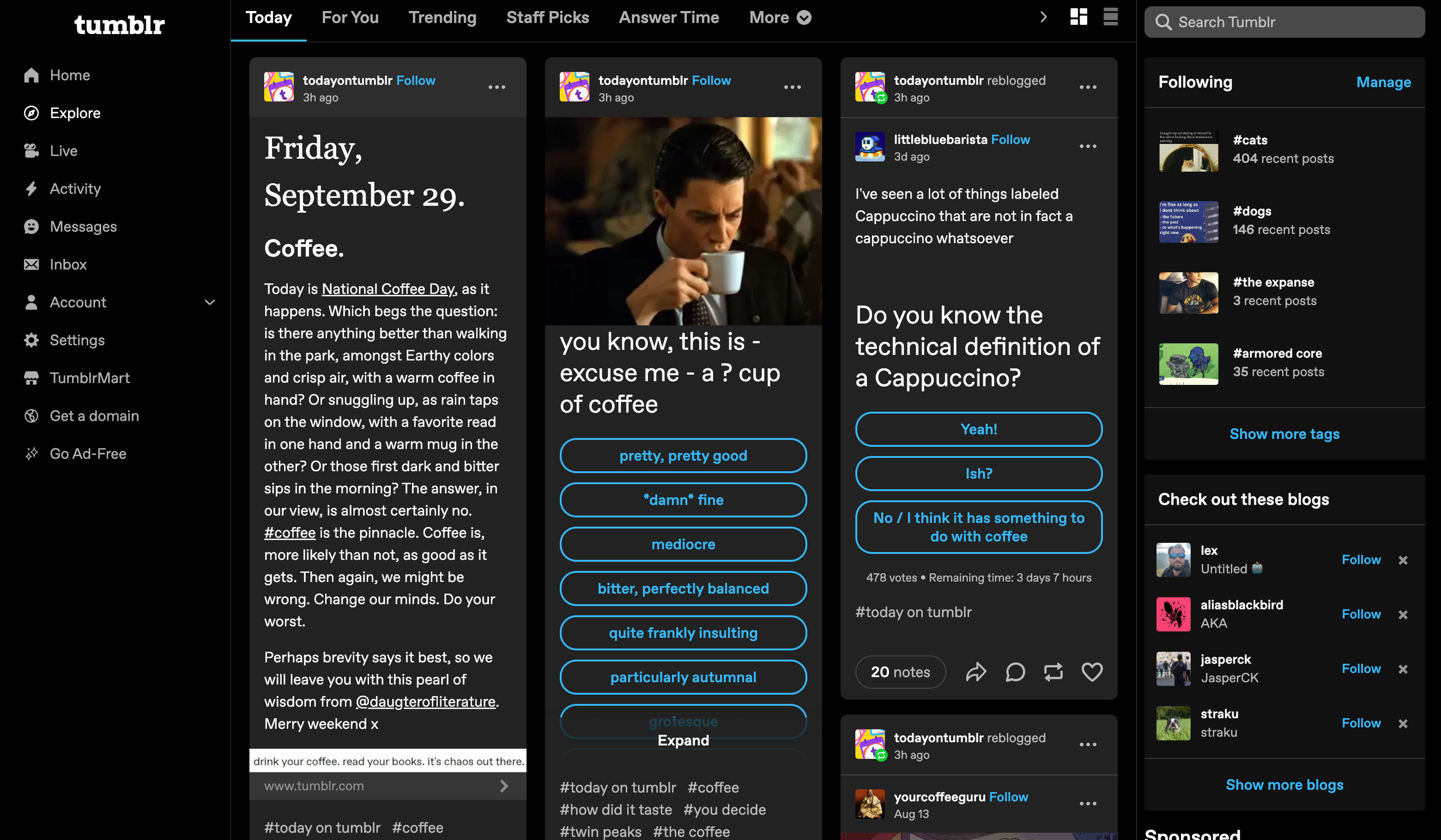
Tumblr was founded in 2007, and its own About page still describes the platform through the language of reblogging, curated tags, quotes, videos, GIFs, and personal expression. That is important because Tumblr was never just about posting original content. It was about collecting fragments and arranging them into a self.
A Tumblr blog was less like a traditional social media profile and more like a digital bedroom wall. You pinned up the things that felt like you: song lyrics, fandom GIFs, fashion photography, political quotes, inside jokes, diary-like text posts, art, memes, and very dramatic statements about being unknowable at 16.
The reblog was central to this culture. Tumblr defines a reblog as taking a post you enjoy and making it appear on your own blog too. That mechanic shaped the storytelling. Your identity was not only what you created. It was what you noticed, saved, repeated, tagged, and placed in context. And tags mattered. Tumblr’s Help Centre describes tags as a way to organise posts and make them searchable across Tumblr. But culturally, tags became more than metadata. They were commentary, confession, whisper, punchline, and sometimes a whole second post hiding under the post.
Tumblr taught a generation that identity could be assembled. Not announced, exactly. Assembled. Layered. Curated.
Instagram: The Polished Internet
Then…
Instagram changed the visual rules.
Instagram launched in October 2010 as a mobile-first photo-sharing app, with an early blog post describing its first million users as people sharing “small moments of life through gorgeous mobile photos” (ironically this blog was posted on Tumblr!) That phrase says a lot: small moments but gorgeous.
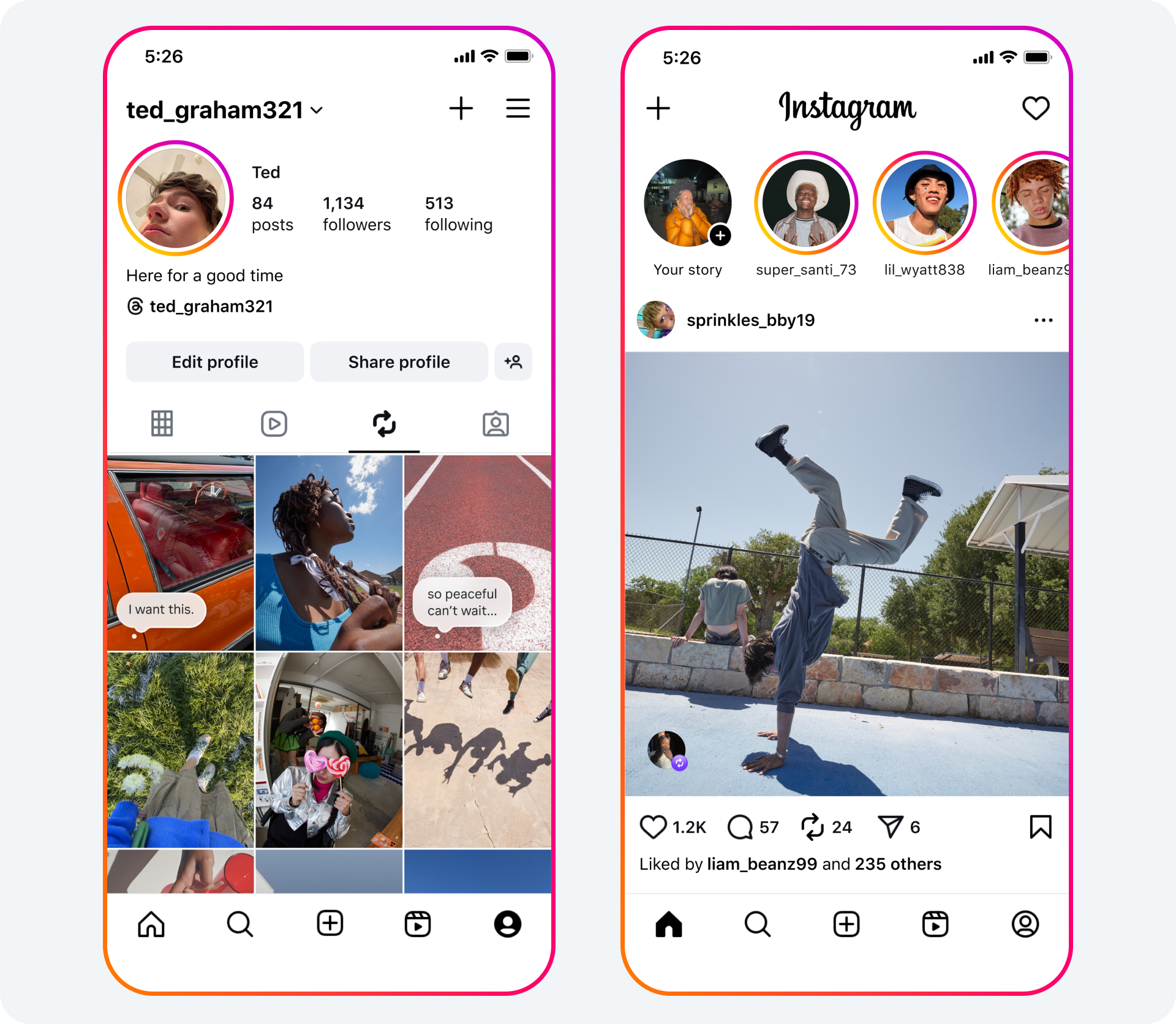
Where Tumblr was often fragmented and anonymous, Instagram pushed the internet toward visual coherence. The grid mattered. The square mattered. The filter mattered. The life you showed became more polished, more aspirational, more tied to personal brand. Instagram didn’t invent curation, but it sure made curation look clean.
It turned everyday life into a visual portfolio: brunch, outfits, travel, flat lays, mirror selfies, studios, desks, coffee cups, product shots. Even the casual started to look composed. It was storytelling through lifestyle, and for businesses, that changed everything.
A wellness brand was no longer just a service provider. It became an atmosphere. A cafe wasn’t just selling coffee; it was selling a place to be seen with coffee. A designer wasn’t just showing work; they were showing taste. A practitioner wasn’t just offering support; they were communicating the emotional texture of working with them.
The Instagram era made brands think harder about visual consistency. Colours, filters, typography, image style, and tone became part of whether an audience recognised and trusted you.
Stories and the rise of temporary intimacy
In 2016, Instagram introduced Stories, described by Meta as a way to share everyday moments outside the traditional feed. That changed the rhythm again.
The polished feed was still there, but stories created a space for something more immediate. Less permanent. Less curated. More behind-the-scenes. More “I just got coffee and here’s my face.” Groundbreaking? No. Effective? Absolutely.
This is where storytelling started to split into two lanes: (1) The feed became the portfolio; (2) Stories became the relationship
For brands, that mattered. A visually polished grid could create recognition, but Stories created familiarity. They let people see the person behind the business, the process behind the service, and the daily rhythm behind the brand promise. This was especially important for health and wellness businesses. When someone is deciding whether to book a therapist, coach, practitioner, clinic, or support provider, they’re not only looking at qualifications. They’re asking: “Do I feel comfortable with this person? Do I understand how they work? Can I trust the energy here?”
Stories gave brands a way to build that trust in small daily moments.
TikTok: The Algorithmic Stage
TikTok changed the game again because it didn’t primarily ask users to follow people first. It asked them to watch.
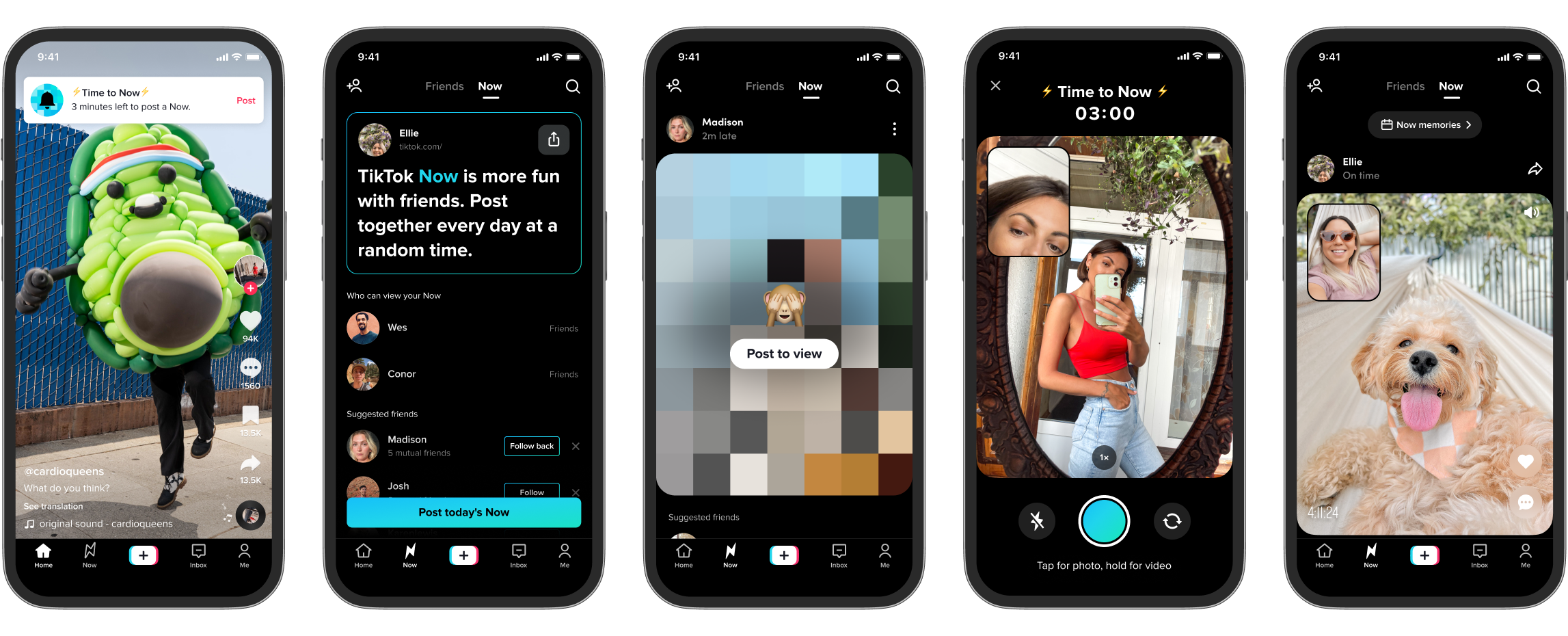
TikTok describes the For You feed as the first feed users see when they open the app, and says it becomes more reflective of your interests the more you use the platform. TikTok also explains that interactions can affect how its system ranks and serves content.
That one shift changed storytelling DRAMATICALLY!
On Tumblr, you found your people through tags, fandoms, reblogs, and niche corners. On Instagram, you followed people and brands whose visual identity appealed to you. On TikTok, the algorithm can drop a complete stranger into your life at 2:14am with a video that feels so personally targeted you briefly consider whether your phone has been reading your diary.
TikTok made discovery feels intimate.
It also changed the shape of content. Stories had to move quickly. Hooks mattered. Faces mattered. Sound mattered. Editing mattered. The first three seconds became prime real estate. The feed became less about “who do I follow?” and more about “what does the algorithm think I’ll stay for?” This is the modern visual culture became deeply behavioural. Design was no longer only what something looked like. It was pace, timing, rhythm, voice, gesture, caption, audio, cut, expression, and repeatability.
From Aesthetic Identity to Participatory Identity
Tumblr aesthetics were often about belonging through recognition: “I know this feeling. I know this image. I know this quote, this fandom.” It was identity through shared symbolism. TikTok aesthetics are more participatory. A trend doesn’t just say, “look at this.” It says, “use this sound, adapt this format, add your version, stitch this, duet that.” That creates a different kind of identity-making. Less moodboard, more performance. Less archive, more iteration.
This is why trends move so quickly now. A TikTok format can become a joke, confession, political statement, product ad, therapy-adjacent monologue, and small business marketing tactic all within the same week. By the time everyone’s mum has seen it on Facebook reels, the original audience has already moved on. Beautiful. Terrible. Efficient.
For businesses, this means visual storytelling is no longer just about looking consistent. It’s about knowing which formats to enter, which ones to leave alone,m and how to adapt platform language without losing your actual brand voice.
The Authenticity Rebrand
One of the biggest changes from Tumblr to TikTok is what “authenticity” looks like.
Tumblr authenticity often looked like emotional honesty filtered through anonymity, aesthetics, and reblogged fragments. You could be deeply personal without being directly visible. You could reveal your inner world through someone else’s post.
Instagram authenticity became more complicated. It often meant making your real life look beautiful, then later trying to make your beautiful life look real. A whole snake eating its own tail situation. Maybe with better lighting though.
TikTok shifted authenticity toward immediacy. Messy rooms. Front-facing camera. “Get ready with me.” Story times. Crying in the car. Talking directly to camera. A creator can gain trust not because the content is polished, but because it feels unfiltered, specific, and emotionally direct.
But here’s where businesses need to be careful: “authentic” doesn’t mean boundaryless.
You don’t need to turn your brand into a confession booth to build trust. You don’t need to share every hard moment, every personal detail, or every behind-the-scenes wobble. Authenticity isn’t the absence of editing. It’s alignment.
Health & Wellness Brands
For health and wellness businesses, the evolution from Tumblr to TikTok matters because your audience has grown up inside these visual languages. They know what curation and performance looks like. They know what vague “wellness aesthetic” looks like. But most importantly, they know when a brand is using empathy as decoration.
You can’t rely on pretty visuals alone anymore. Your audience needs depth, clarity, and emotional congruence. That means your brand needs to do three things at once:
Be recognisable enough to build memory
Be human enough to build trust
Be clear enough to guide action
A health and wellness brand today needs more than a calm colour palette. It needs a story system. It needs consistent visuals, yes, but also content that educates, reassures, explains, and invites. It needs a website that answers real questions. It needs social media that does more than keep up with trends. It needs to understand the emotional state of the person consuming it.
Because your audience isn’t simply scrolling (although it may seem like it these day). They’re assessing.
The platforms changed, but the core human need stayed the same:
People want to feel seen, understood, and safe enough to take the next step.
Tumblr still has something valuable to teach modern branding: depth.
It understood niche before niche was a strategy. It understood subculture and that people bond over specificity, not generic statements. It understood that identity is layered, messy, emotional, contradictory, and sometimes best expressed through GIF set and twelve chaotic tags.
For brands, the lesson is this: do not flatten your audience.
Don’t speak to “everyone interested in wellness.” Speak to the real person with the real hesitation, lived experience, and desire for support that doesn’t feel clinical or cold.
Specificity builds belonging.
TikTok, on the other hand, teaches speed, adaption, and emotional directness.
It teaches up that people respond to content that gets to the point quickly, feels specific, and gives them something to recognise in themselves. It also teaches us that storytelling doesn’t have to be long to be powerful. Sometimes a 20-second video can carry a whole brand truth if it’s structured well.
In 2024, Pew Research Center reported that roughly 6 in 10 US teens used TikTok, while a 2026 Pew study explored teens’ experiences across TikTok, Instagram, and Snapchat, including how much time teens and parents think is spent on those platforms. While those figures are US-based and not a direct map of every audience, they show how central short-form, visual-first platforms have become in contemporary youth culture.
For brands, the lesson isn’t “be on TikTok or perish.” The lesson is that TikTok has trained audiences to expect clarity quickly.
Say the thing.
Show the human.
Make the point.
Respect attention.
Give the next step
At Angell Designs
At Angell Designs, I don’t look at platforms as separate little boxes where content goes to behave itself. I look at them as storytelling environments.
A website tells one kind of story: structured, grounded, conversion-focused.
Instagram tells another: visual consistency, trust-building, daily familiarity.
TikTok (or Reels) tell another: immediacy, voice, relatability, pace.
Email tell another: relationship, depth, continuity.
Your brand needs to translate across those environments without losing itself.
That’s where strategy matters. Without strategy, you end up chasing aesthetics and trends, from platform to platform, until you brand feels like it raided a costume cupboard. With strategy, you can adapt without the shape-shifting.
That’s the difference between being current and being constantly reactive.
From Tumblr’s bedroom-wall moodboards to TikTok’s algorithmic storytelling stage, visual culture has become faster, more personal, more participatory, and more emotionally fluent. But the real branding lesson is surprisingly steady: people still want to recognise themselves in what they see.
A strong brand doesn’t copy platform trends blindly; it understands the language of the moment, then translates its own story with clarity and consistency. If your health or wellness business is trying to make sense of where your brand fits now (how you show up visually, what stories to tell, how to build trust across your website and social media, or how to adapt without losing yourself), I can help through brand identity design and strategy, website design, and social media management.