
Grab a coffee (or three) and dive in to the blog where design meets humanity…

What I Wish You Knew
The best design work doesn’t happen when a client hands over instructions and waits for magic. It happens through collaboration, trust, honesty, and shared responsibility. This article explains the one thing I wish every client (or prospective client) understood before working with me: I don’t work for you. I work with you

Swift Architecture
Taylor Swift’s albums are more than a collection of songs. They’re entire worlds. This article compares each Taylor Swift album to an architectural style and explains why the design language fits the mood, narrative, and cultural identity of the era.
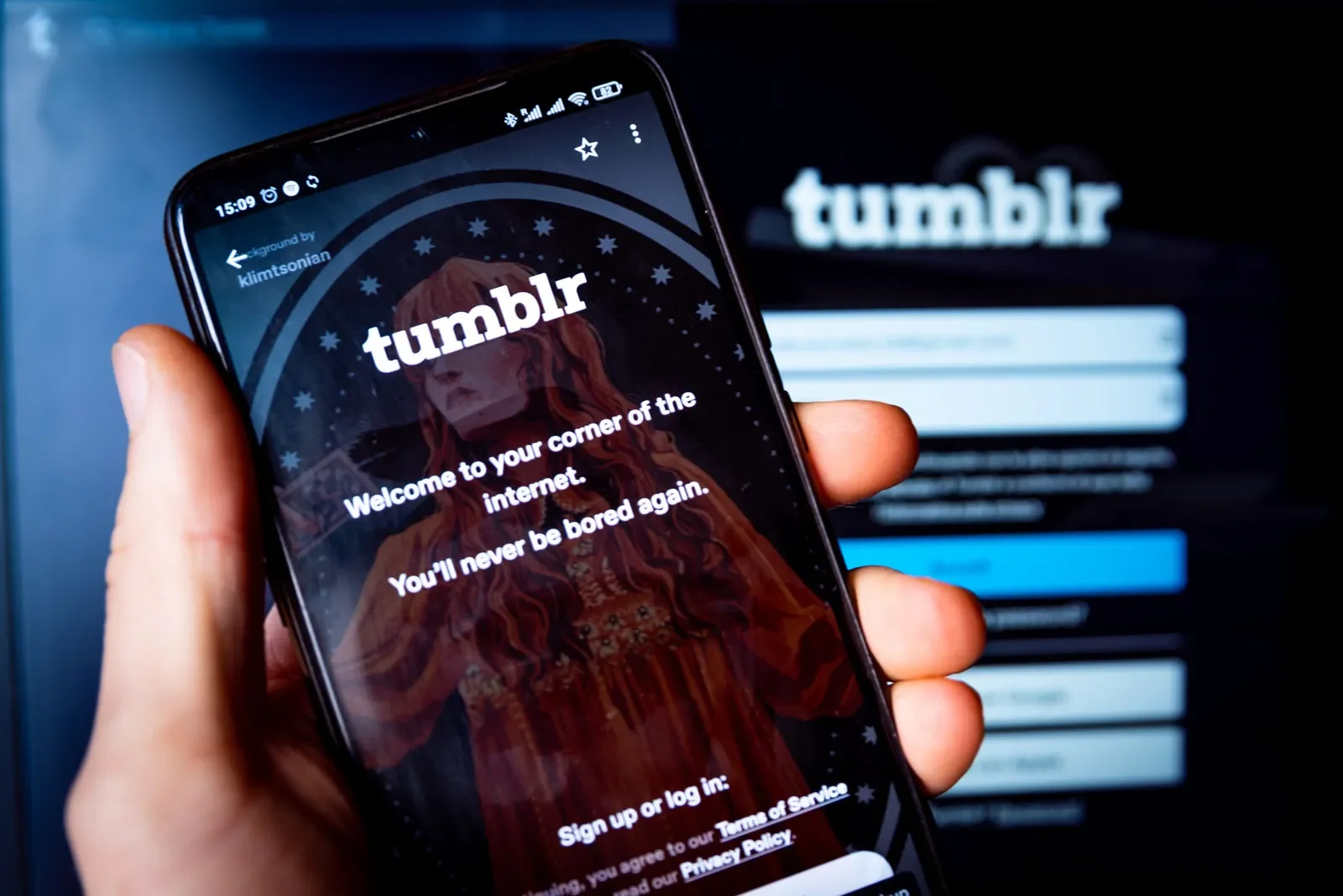
The Rebrand of a Generation: From Tumblr to TikTok
From Tumblr’s reblogged moodboards and messy identity corners to TikTok’s algorithmic storytelling machine, social media has completely reshaped how we communicate visually. This article looks at how platforms changed the way we build identity, tell stories, create trends, and understand what “authentic” branding means now.
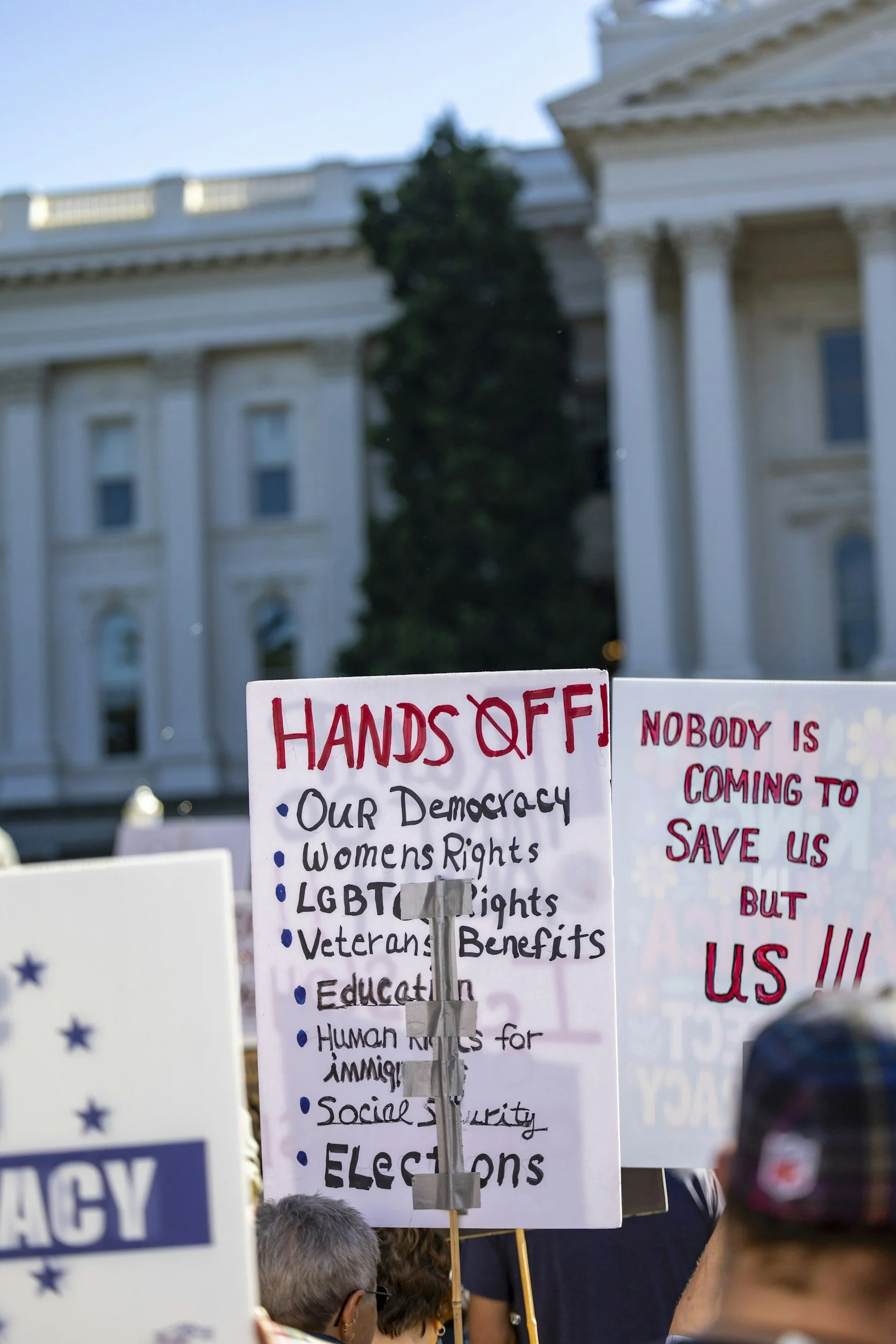
Design as Advocacy
Design is never neutral. In the health industry, visuals can either reinforce stigma and confusion or they can create clarity, dignity, and access. This article explores how visual design changes conversations, why advocacy belongs in health branding, and how thoughtful design can help people feel more seen before they ever book.

Why Your Logo Isn’t Your Brand
A logo is a symbol. A brand is a whole experience. This post breaks down the difference between brand strategy and visual identity, why a “new logo” doesn’t fix unclear messaging, and what actually builds trust especially for health and wellness businesses.

Before You DIY Your Brand: When to Call in a Professional
DIYing your brand can work. That is until it starts costing you bookings, clarity, and confidence. This article explains when DIY is fine, when it’s holding you back, and the specific signs it’s time to bring in a professional branding specialist (especially for health and wellness businesses).

A Brand That Feels Like Home
A brand that feels like home doesn’t “convince” people. It welcomes them. This article explores the psychology of belonging, how narrative creates emotional trust, and how I turn that into brand strategy and design.
Rest is a Brand Strategy
If your business runs on depletion, your brand will eventually start sounding like it’s holding its breath. This article connects recovery and creativity to brand trust and shares how I’ve learnt to build rest into the way I work as a disabled, neurodivergent designer.
Your Website as a Brave Space
A brave space isn’t a promise of comfort. It’s a commitment to clarity, respect, and choice. This article shows how accessible web design can turn your website into a steadier place for health and wellness clients to start.

Building a Calm Content Plan
If content planning makes your feel behind before you even start, you don’t need more pressure. You need a calmer system. This post shows you how to build a sustainable content plan that fits your energy, builds trust over time, and still makes it easy for people to book.

What Makes a Brand Feel Safe: Sensory Design & Emotional Regulation
A “safe” brand isn’t just a pretty logo. It’s an experience that lowers uncertainty, reduces sensory overload, and guides people through the next step without friction. This article explains the science behind safety and shows how I design calmer, clearer brand touchpoints for health and wellness businesses.
The Narrative Lens Behind Brands That Feel Human
Brand storytelling isn’t about being “inspirational.” It’s about making your business make sense to the person who needs you. This article explains what narrative means in branding, why it builds trust (especially in health and wellness spaces), and how I translate story into design systems your audience can actually follow.

Boundaries Build Better Brands
Boundaries aren’t “cold.” They’re clarity. And clarity is one of the fastest ways to build trust. This article explains why boundaries matter in health and wellness brands, the micro-boundaries your audience needs to feel safe, and how to embed them across your website, socials, and client journey.

No Jargon, No Guesswork
Brand strategy shouldn’t feel like a secret handshake. This blog translates the most common “brand words” into normal language, so you can make confident decisions about what to say, how to show up, and how to build trust especially in health and wellness.

Designing For People
Most design feedback focuses on what’s on the page. I focus on what happens inside the person using it. This article breaks down the tiny moments that lose trust (hesitation, confusion, doubt, overload, etc.) and how we diagnose and fix them through audits, strategy, and human-centred system.

The Science of Brand Trust
In health and wellness, people don’t just “buy.” They entrust you with their body, mind, and story. This guide breaks down the science of brand trust including why consistency creates predictability, how predictability reduces uncertainty, and what to make consistent across your brand and its touchpoints so clients feel safe enough to take the next step.

26 Lessons, One Life
I’ve turned 26, and I’ve been running my business for eight of those years. This isn’t a list of “top tips” though. It’s a reflection on what life has taught me so far about creativity, boundaries, health, rest, self-trust, and building a business that doesn’t require me to disappear to succeed.

Design Like a Human, Not Like a Machine
If you’re branding looks polished but feels… oddly empty, it might be because it was built for aesthetics, not for people. This article breaks down human-centred design principles and the mindful design habits that make your work feel authentic, usable, and genuinely human.

The Importance of Rest in Creative Work
For years, I treated rest like a guilty secret. Now I treat it like part of the process… because it is. Here’s what research says about breaks, sleep, and creative insights, and the rest rituals I use to keep my work steady (and my brain kinder).
The Trust-Building Content Mix
If your content is “good” but people still hesitate to book, the issue usually isn’t your effort but rather your balance. This article explores the five content types that build trust faster and shows you how to mix them so your audience feels informed, seen, and confident about the next step.