How Taylor Swift Does Branding
At first glance, The Life of a Showgirl looks like a glittering detour. An album that swoops in just over a year after The Tortured Poets Department (TTPD) with feathers, rhinestones, and unapologetic spectacle. But if you look closer, it’s not a detour at all.
It’s a transformation.
Where Poets was grief, Showgirl is joy.
Where Poets whispered, Showgirl roars.
Where Poets curled in on itself, Showgirl takes the stage.
This is branding as rebirth. A deliberate shift in mood, aesthetic, and narrative that reclaims power through performance.
Let’s break down why this works so well. And… how Taylor herself, does this so well.


Visual Identity
Glamour as a Visual Language
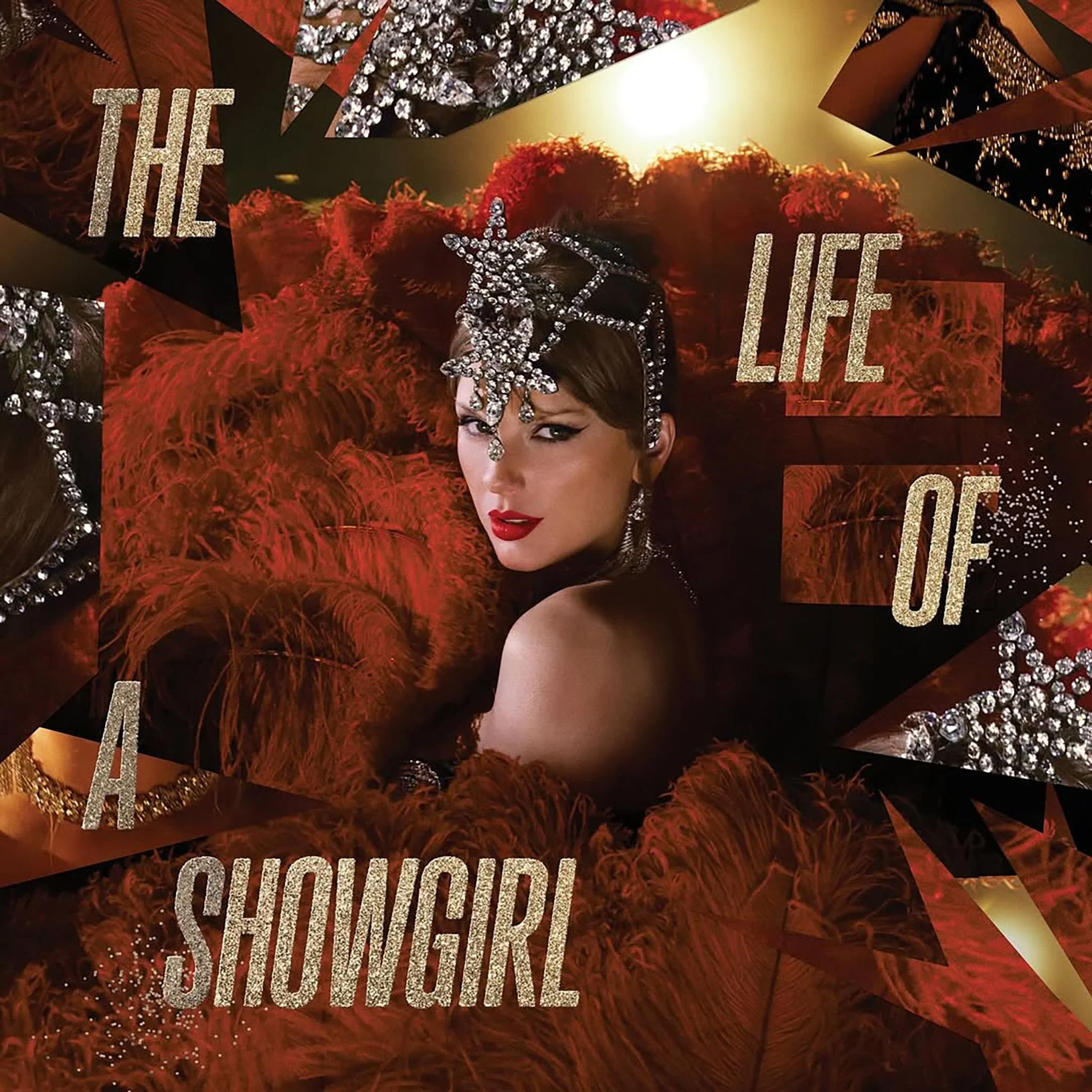
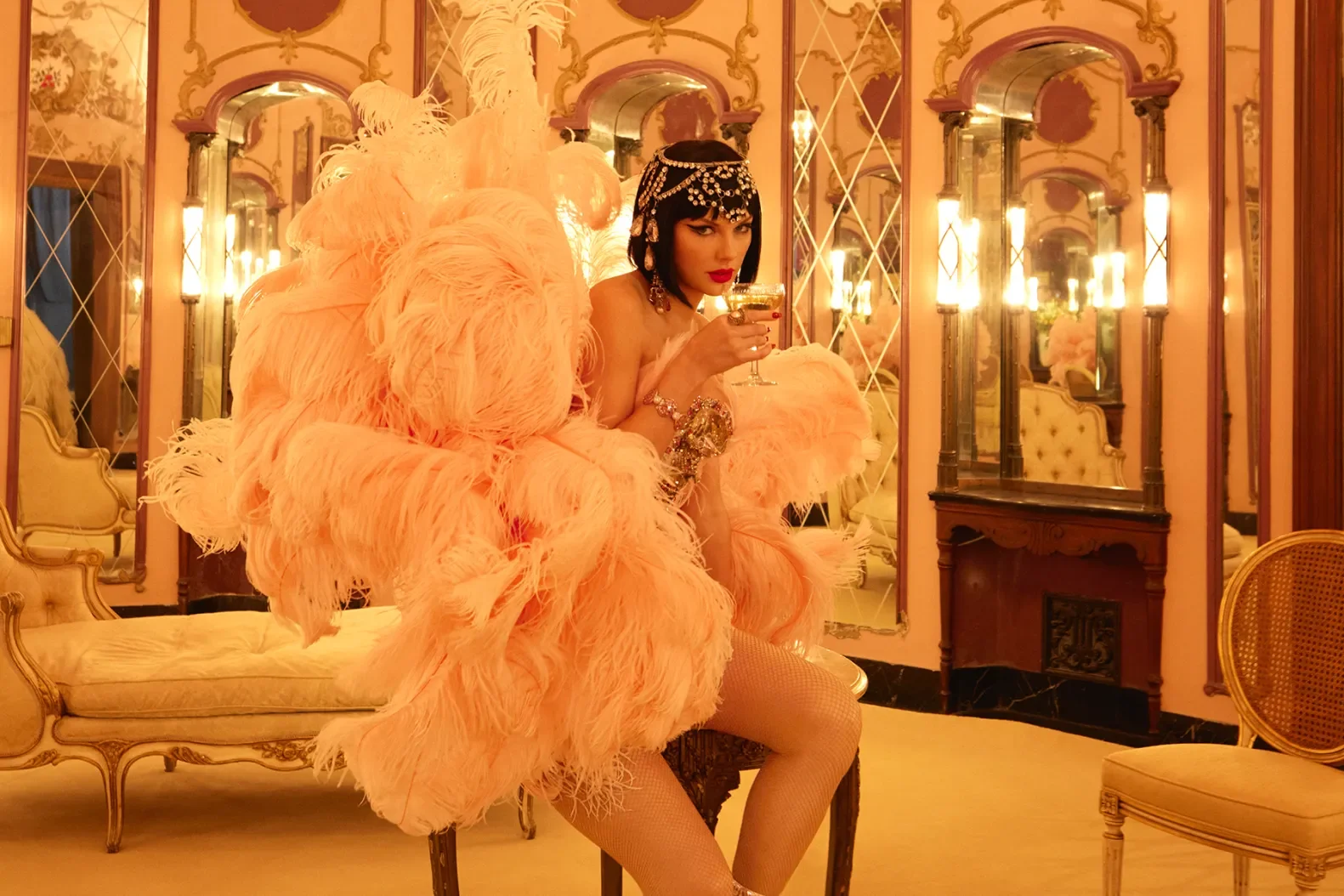
The Showgirl era didn’t arrive quietly. From the moment she revealed the cover art (especially the alternative covers for the various album versions), the visual tone was unmistakeable: Old Hollywood meets Broadway boldness.
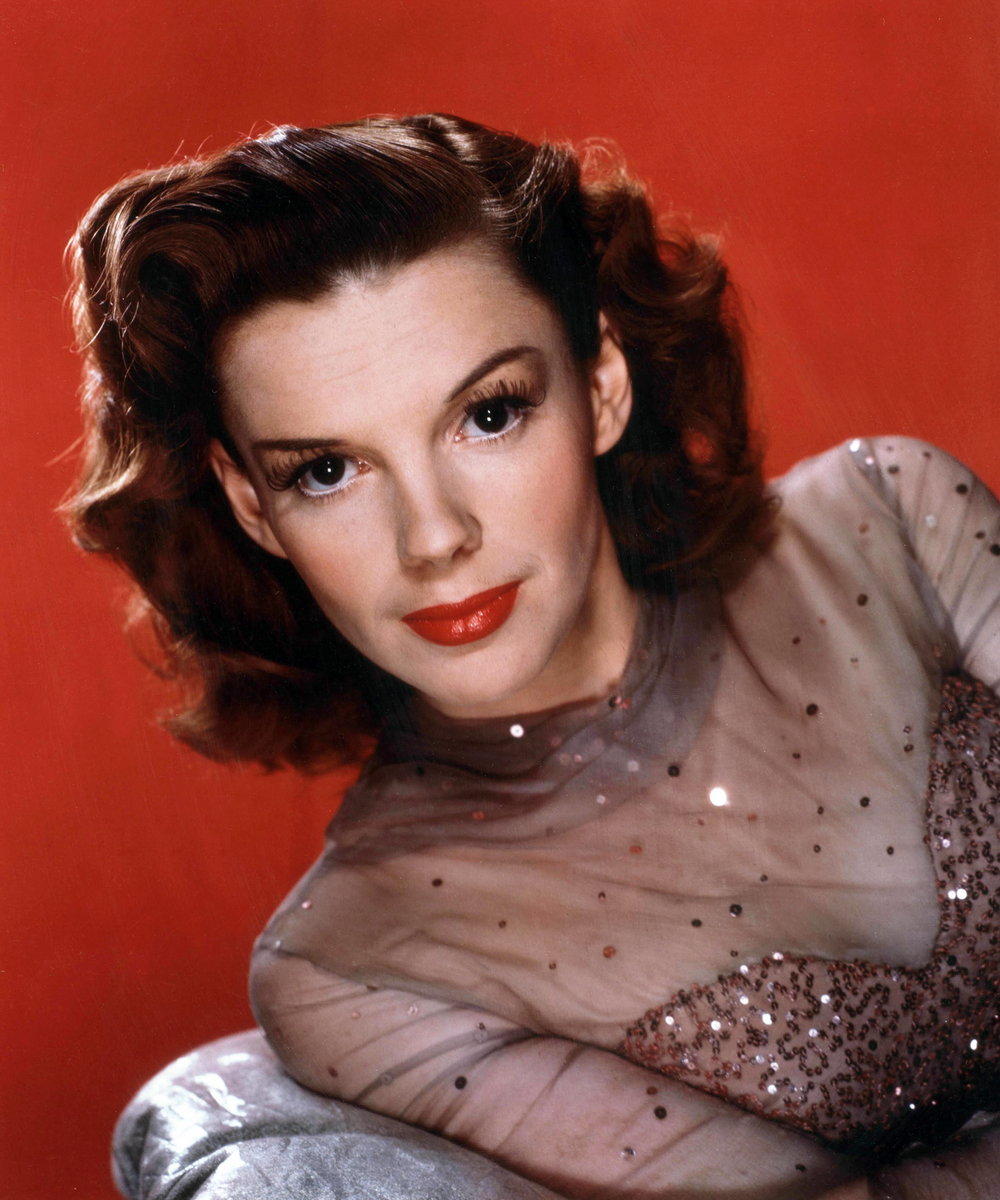
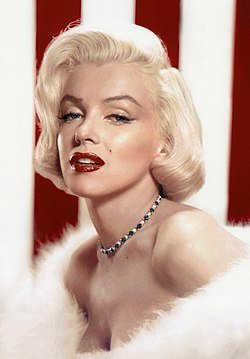
Gone were the greyscale melancholy hues of TTPD. In came rich oranges and reds, shimmering silvers, velvet, and golden spotlight tones. Visually, she positioned herself in a long lineage of feminine performance power (think Marilyn Monroe, Judy Garland, Elizabeth Taylor… IYKYK) burlesque queens, cabaret icons, and Vegas divas. This wasn’t random. This was (is) brand storytelling. Her outfits echoed this shift with costume over clothing, sparkle over subtlety (believe me, she is not being subtle anymore!), intentional over understated. Even her typography changed through bold serif fonts reminiscent of theatre marquees, echoing vintage playbills, performance posters, and high-end cabaret lounges.
Every visual element said: “Watch me. I’m not hiding anymore.”
Narrative Arc
From Wounded to Witness
Where TTPD was about writing from the wound, The Life of a Showgirl is about performing with the scar visible.
Taylor doesn’t abandon the trauma of her past. She doesn’t deny the heartbreak or the grief. Instead, she reframes it. She puts it in a costume, hands it a microphone, and let’s it dance as she’s evolved (through her relationship with Travis Kelce) to a better place in her life. This is not a shallow pivot. It’s a brand evolution rooted in narrative strategy.
In brand terms, it’s the shift from identity as pain to identity as love.
In the small business world, we might call this “moving from the wound to the wisdom. It’s the moment when your brand stops being your trauma and starts shaping what you do with it.
Of course, this is not the first time Taylor has created an album seemingly based on love. In 2017, she released Reputation, an album entirely about her relationship with Joe Alwyn. However, a notable difference (as the true Swiftie in me would know) is still her discussing her fears around the relationship she’s in at the time like in Delicate and compares love to a drug in Don’t Blame me. Lover (2019) also mirrors this, further amplified by her fears of being in a long-term relationship. Afterglow, Daylight, Cornelia Street… (need I go on?) all discuss how anxious she is about the relationship she’s in. Taylor even said herself (and I’m paraphrasing), she didn’t think she’d write break up songs after being in a long-term relationship during an interview for the Lover album, and yet we got several break up songs. Despite these past examples, we get an entirely different vibe from Showgirl. Showgirl… she's singing about being in love, there’s very little in the way of her anxieties of losing him [Travis Kelce], and more notably; not a single break up song on the entire album.
Messaging & Tone
The Voice of Empowered Performance
Lyrically, Showgirl is theatrical, assertive, and flirtatious with a deep undercurrent of self-awareness. It’s Taylor at her most performative and her most honest. The showgirl knows she’s performing and she absolutely owns it.
The self-aware branding tone is essential. It gives permission to be both polished and playful, composed and chaotic. It bridges the gap between the character and the creator. Ultimately, this lets the audience know this era is about control, not concealment.
Your brand voice can do the same. It can evolve into something older, brasher, more energetic as long as it’s still in relationship with your truth.
This album isn’t just music. It’s a reintroduction. A reinvention. A reminder.
That branding is emotional storytelling.
That visual choices are narrative devices.
That performance can be a form of healing.
That your brand can evolve without break trust.
So what does this mean for you?
Whether you’re shifting into a new era of business, navigating burnout or simply craving a brand that feels more like you, take The Life of a Showgirl as your permission slip.
The tortured poet and the showgirl can coexist.
And that, right there, is what branding can hold for you.
Ready to Enter Your Next Era?
If you’re craving a brand that reflects your evolution, one that makes space for your story, I’d love to help you design it.
📞 Book a discovery call to start your brand’s next era!